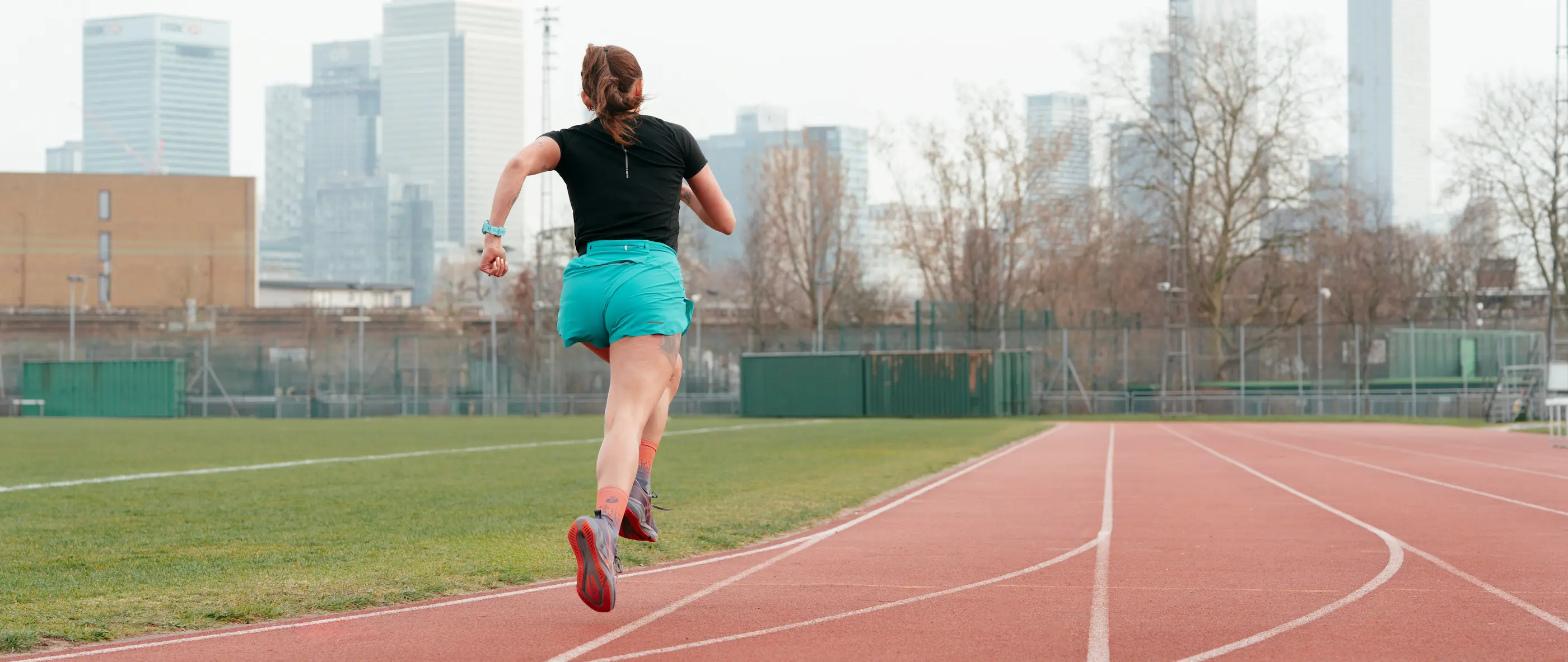
For many runners, the 10K is the perfect blend of speed and endurance. It’s long enough to feel like a serious accomplishment, yet still approachable for those stepping up from a 5K.
Whether your goal is to complete your first 10K or set a new personal best, having the right plan makes all the difference.
At URUNN, we don’t just hand you a schedule – we coach you through the entire process with expertise, structure, and support, so training feels effective and enjoyable.


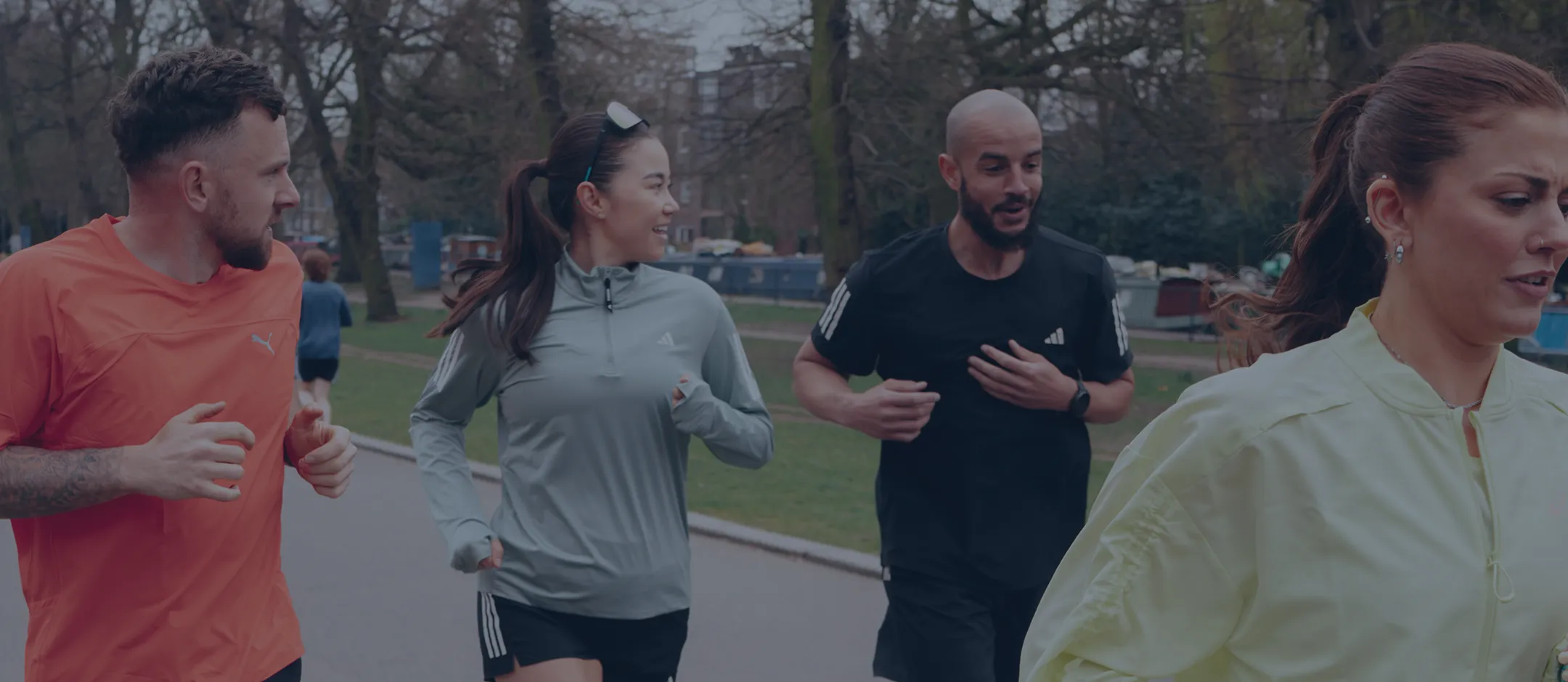
At URUNN, no two 10K training plans are ever the same. We tailor every programme to your fitness level, running history, lifestyle, and goals.
We want to understand your journey – whether you’re running your first 10K after a 5K, or chasing a faster finish time.
From there, the URUNN app creates a plan that adapts as you go. Miss a session? It will adjust. Progress faster than expected? It will push you further. Busy week at work? It recalibrates so you never feel like you’re falling behind.
This personalised approach means your training fits into your life, not the other way around – giving you the best chance of hitting your goal without burnout or injury.
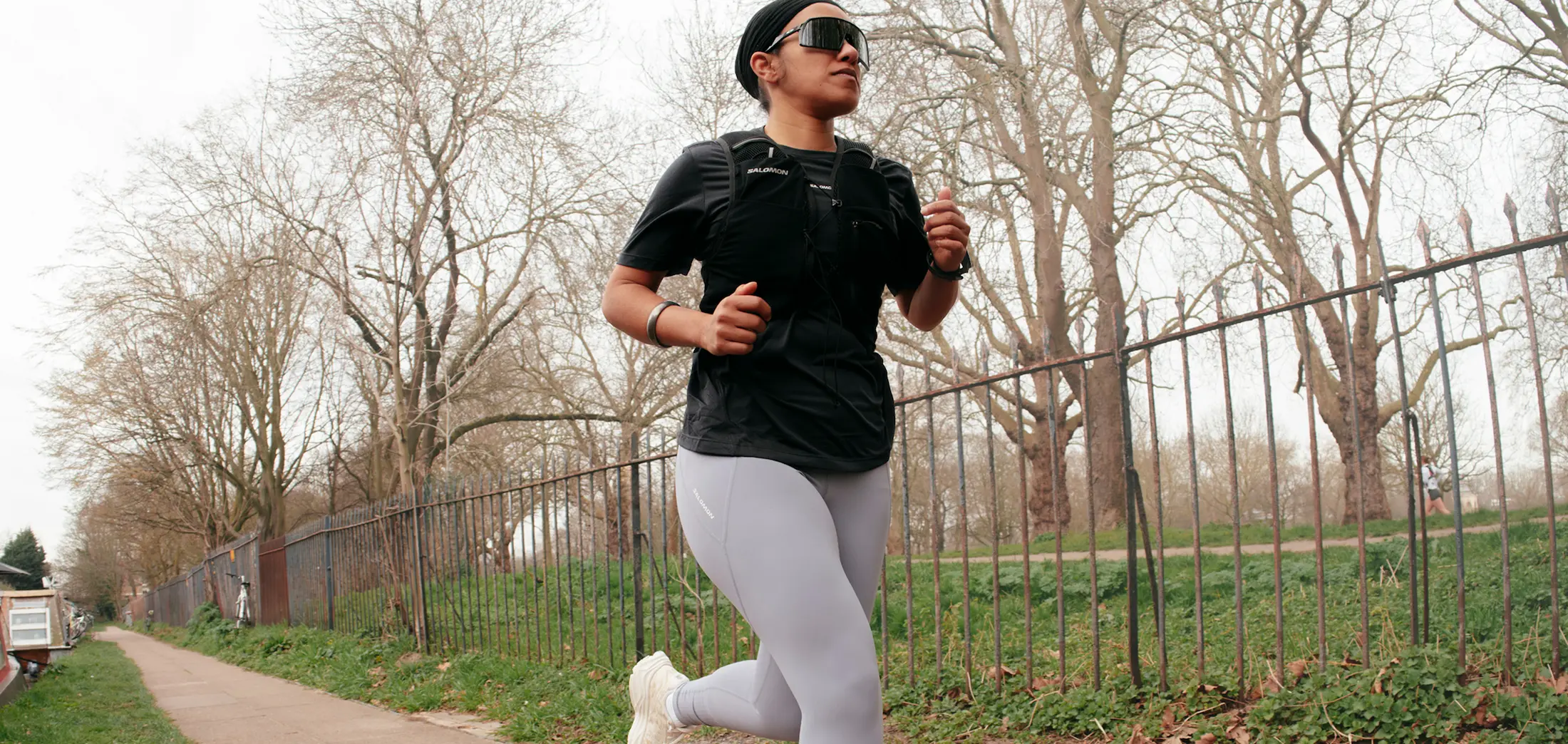
URUNN makes 10K training personal, flexible, and motivating – so you arrive at the start line confident and ready.
With URUNN, every step of your 10K journey feels structured, supported, and achievable.
The 10K demands both speed and endurance, so variety is key. Depending on your experience level and schedule, your plan may include:
Easier sessions
Hard sessions
Longer efforts
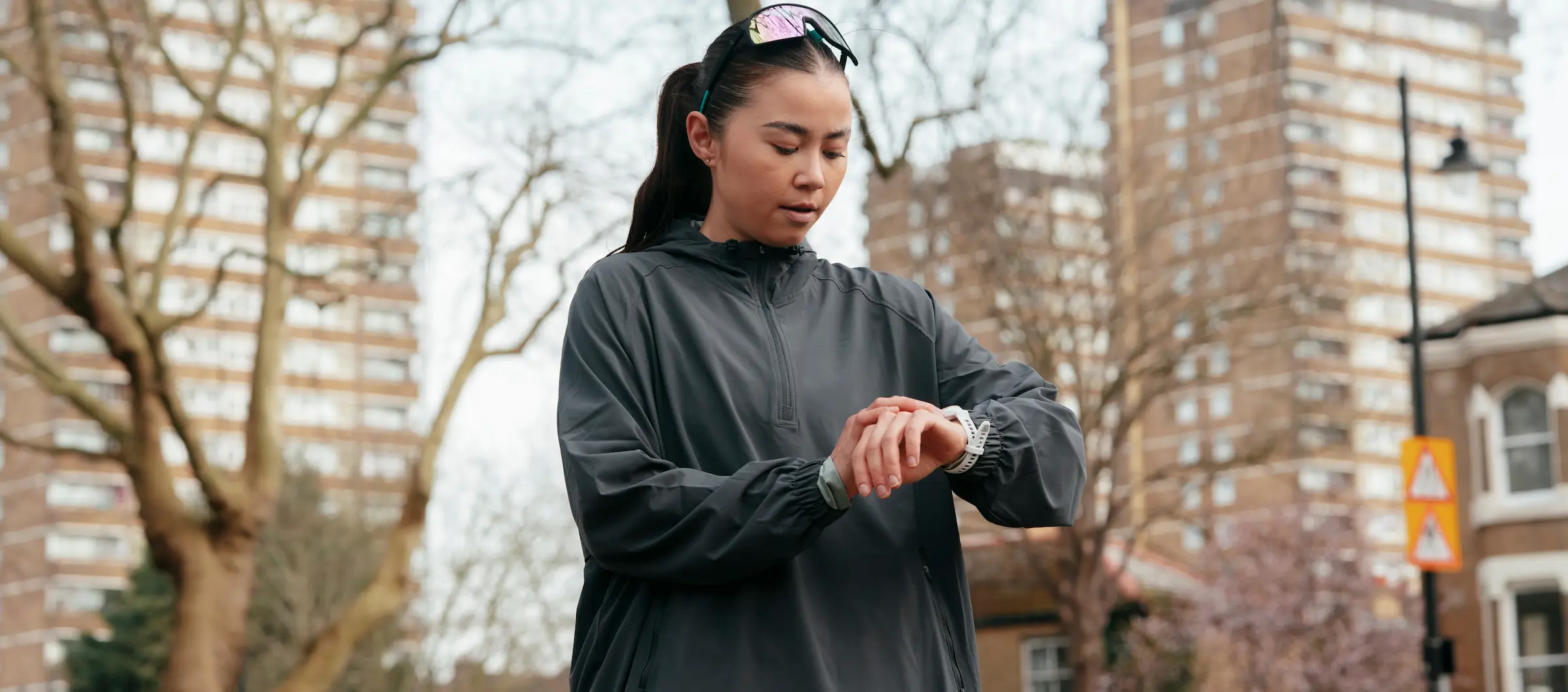
Running is only part of preparing for a strong 10K. To feel your best on race day, it’s important to support your training with strength, nutrition, and recovery.
Two short weekly sessions can transform your running by strengthening your core, glutes, and legs, improving form, and reducing the risk of injuries like shin splints or IT band syndrome.
The 10K is long enough to benefit from smart fuelling. A carb-based snack (banana, oats, or toast with honey) before training helps sustain your effort.
Afterwards, pair protein and carbs (like eggs on toast or yogurt with fruit) to recover well.
Day-to-day, focus on whole foods, lean proteins, healthy fats, and plenty of veg. Stay hydrated steadily throughout the day.
Training only works if your body adapts to it. URUNN schedules both active recovery (light movement like yoga or mobility) and full rest days, where you switch off completely. Treat them like workouts – skipping recovery is a shortcut to injury, while prioritising it keeps you progressing week after week.
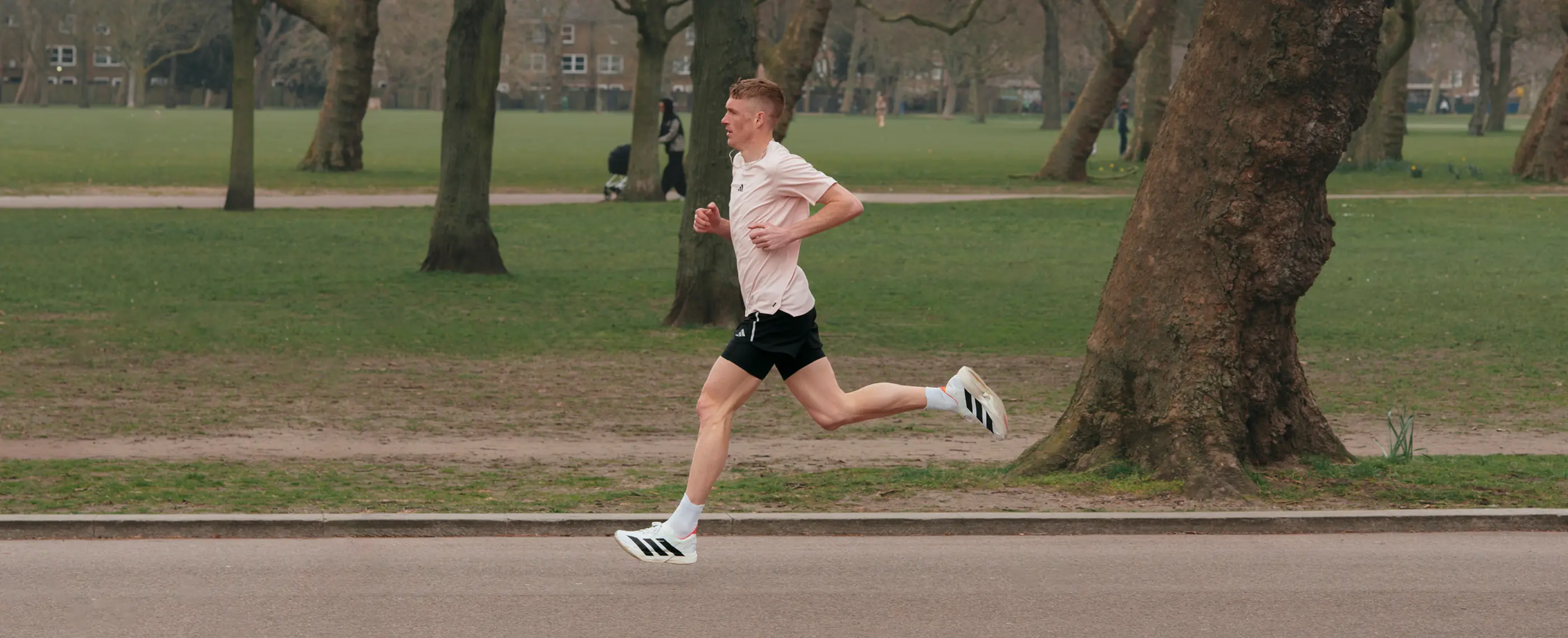
A 10K is long enough that pacing matters, but short enough that you’re working hard most of the way. Go out too fast and you’ll fade; start too easy and you’ll leave time on the course. The best strategy is to run evenly at your target pace, staying controlled early and finishing strong.
Here’s a guide to common 10K finish times and average pace per kilometre:
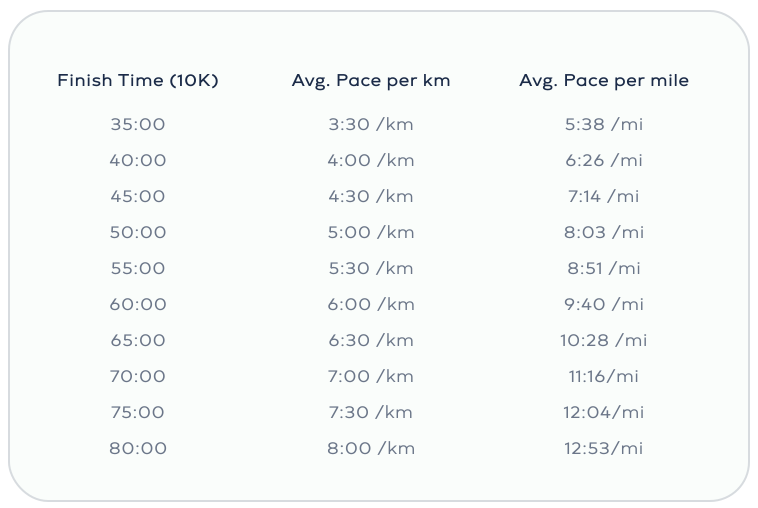 See full Pace Calculator

"When training for a 10K, mix up your intervals - both in pace and distance. To reach peak fitness, include sessions where you run longer intervals slightly slower than your 10K pace, and others with shorter intervals faster than goal pace. That variety sharpens speed, endurance, and efficiency. "
Your 10K is the reward for weeks of work. Here’s how to make sure race week goes smoothly:
The final week
You don’t need a marathon-style taper, but do reduce your training volume. Keep runs easy, with a few short bursts at race pace. Two or three days out, an easy jog with strides will keep your legs sharp.
Race morning
Stick to what you know. Eat a light, carb-based breakfast 2–3 hours before the start (like oats, banana, or toast with honey). Sip water steadily but avoid over-drinking.
Kit and arm-up
Only race in shoes and the kit you’ve trained in. If the weather is changeable, bring a layer you can remove before the start. Arrive early and warm up: 5-10 minutes of jogging, dynamic stretches, and a few strides at goal pace.
Mindset
Take a moment before the start line to visualise your race: controlled in the first kilometre, steady through the middle, and strong to the finish. A clear plan will calm nerves and boost confidence.
Join runners in 90+ countries



1. Download the app: Find URUNN on iOS and Android.
2. Tell us your story: Share your background, schedule, and goals for a bespoke plan.
3. Start your plan: Follow your sessions and adjust anytime if life changes.
4. Share your wins: Celebrate milestones with the URUNN community.
5. Reach your goal: Complete your plan, recover properly, and set your next challenge.
Most runners can prepare for a 10K in 8–12 weeks, depending on fitness level and running experience. URUNN builds a personalised plan that adapts to your starting point and schedule.
Definitely. URUNN gradually builds your mileage and endurance so stepping up from a 5K to a 10K feels achievable and sustainable.
Your URUNN plan adapts in real time. If you miss sessions, get injured, or progress faster than expected, the app recalibrates your plan so you stay on track.
Yes! You can add local races or training events into your plan. URUNN includes them as C-Races to keep your training flexible and motivating.
A comfortable pair of running shoes and breathable clothing is all you really need. URUNN also helps you prepare your race-day kit so you feel confident and ready.
For most runners, a 10K doesn’t require special fuelling during the race. Focus on eating balanced meals during training and having a light, carbohydrate-based snack 1–2 hours before running if needed. Staying hydrated and refuelling after runs will help support recovery and consistent training.
URUNN gives real-time audio cues to help you manage your effort. The general rule: start controlled, settle into a steady rhythm through the middle, and push in the final kilometers.
URUNN guides you through a recovery block, then helps you choose your next goal — whether that’s another 10K, stepping up to a half marathon, or chasing a new PB.