An ultra marathon is any race longer than the marathon distance of 42.2 km (26.2 miles). From 50 km to multi-day stage races, ultras test not only your fitness but also your resilience, mindset, and preparation.
It’s a journey into the unknown for many runners – and one of the most rewarding challenges you can take on.
Whether you’re aiming to complete your first 50 km or tackle a 100-mile event, URUNN provides the structure, expertise, and support to help you get there.


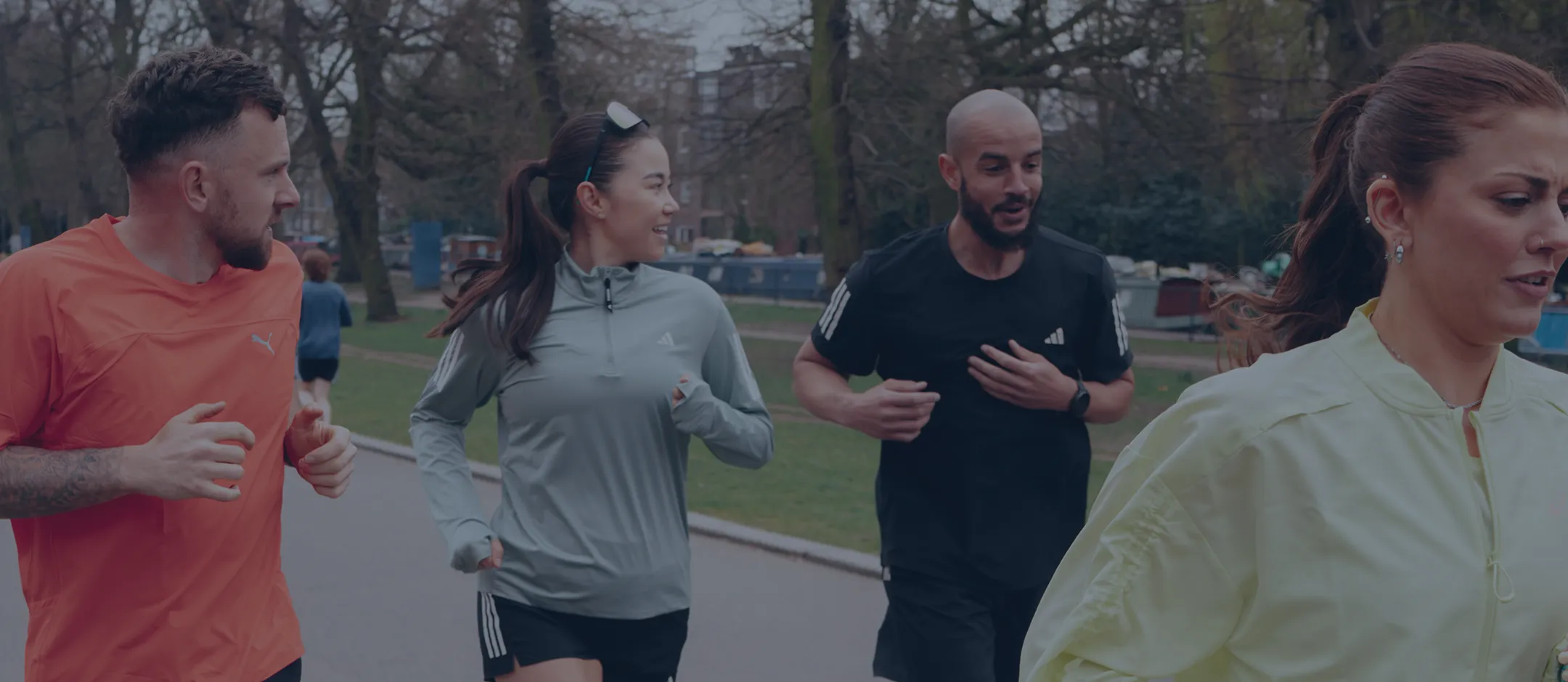
No two ultra marathon training plans are the same. Every programme is tailored to your distance, terrain, and experience level, as well as your lifestyle and goals.
We want to understand your journey – no matter if you’re stepping up from the marathon or seeking a new challenge in trail and endurance running.
From there, the URUNN app creates a bespoke plan that adapts with you. If you miss a run, it recalibrates. If you’re progressing faster, it pushes you further. If life gets busy, it adjusts so you never feel like you’re falling behind.
This personalised approach means your ultra plan works around your life, giving you the best chance of getting to the start line healthy, prepared, and confident.
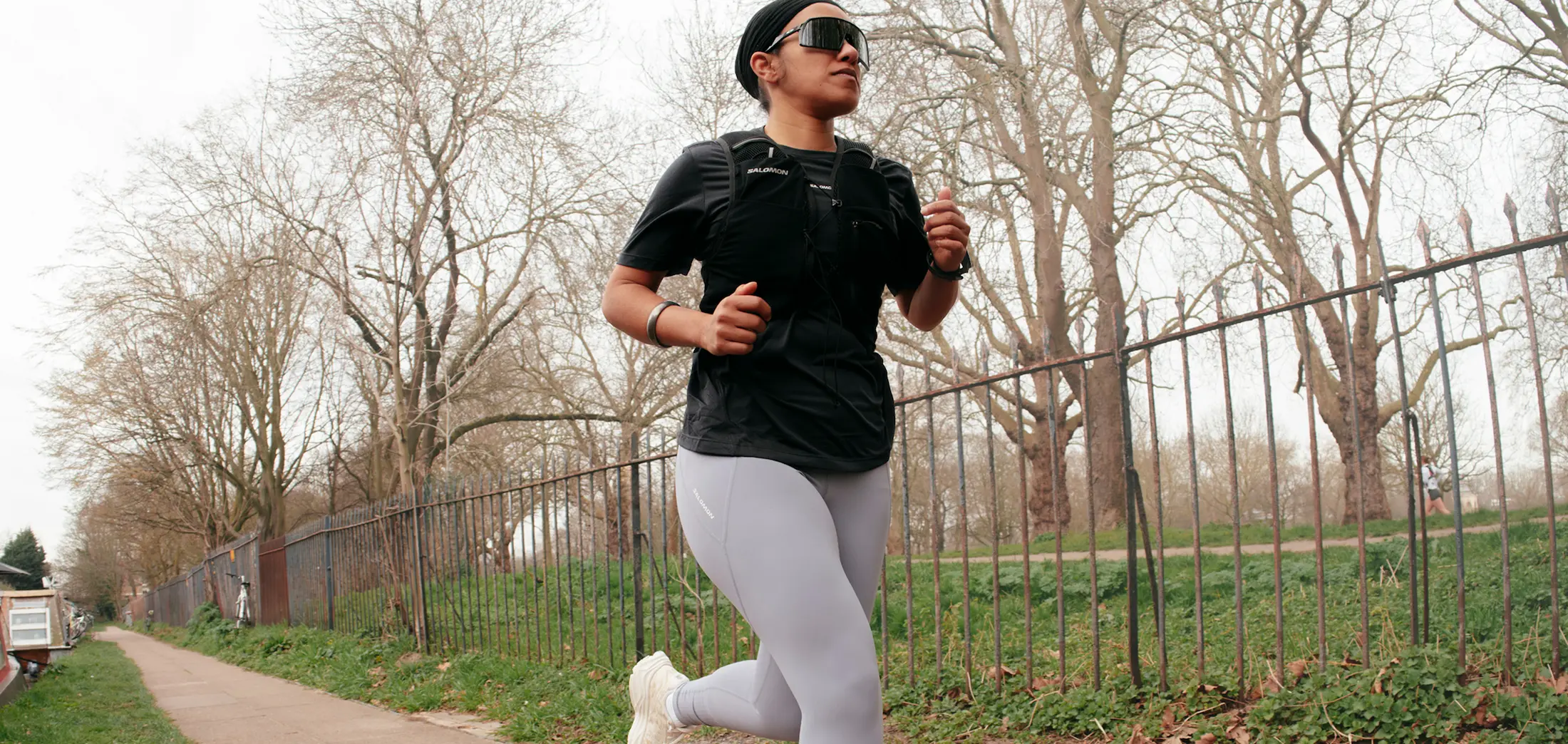
URUNN makes ultra marathon training flexible, structured, and motivating – so you arrive ready for the long haul.
With URUNN, every step of your ultra marathon journey feels supported, purposeful, and achievable.
Ultras demand endurance, strength, and adaptability. Your plan will include a variety of runs and sessions:
Easier sessions
Hard sessions
Longer efforts

Success in ultras is about more than just running – it’s about building durability and resilience across body and mind.
Strength and mobility sessions target the muscles that keep you moving efficiently for hours of running. Strong glutes, core, and legs are essential for tackling long climbs, technical terrain, and fatigue late in races.
Fuelling is crucial in ultras. URUNN helps you practise eating and drinking on the run, whether that’s gels, bars, or real food. Long training runs become rehearsals for your race-day nutrition strategy. Day to day, a balanced diet with ample carbohydrates and protein supports training and recovery.
Fuelling is crucial in ultras; it’s the single most common reason runners drop out. URUNN helps you practice the complexity of eating and drinking on the run, whether that means gels, sports bars, or real food.
Your long training runs aren't just mileage – they’re rehearsals for your race-day nutrition strategy. This means meticulously testing your intake windows, the exact brand of fuel, and the rate of sodium replacement your body needs.
Day-to-day, a balanced diet with ample complex carbohydrates and protein supports the sheer volume of training and accelerated recovery required.
Crucially, in ultras, you must also train your gut to handle both sweet and savory items and learn to eat even when your stomach doesn't want to – because consistent calorie intake is the only way to beat the inevitable wall.
Recovery is a cornerstone of ultra training. URUNN schedules active recovery (mobility, yoga, walking) and complete rest days so you can absorb the heavy mileage and come back stronger.
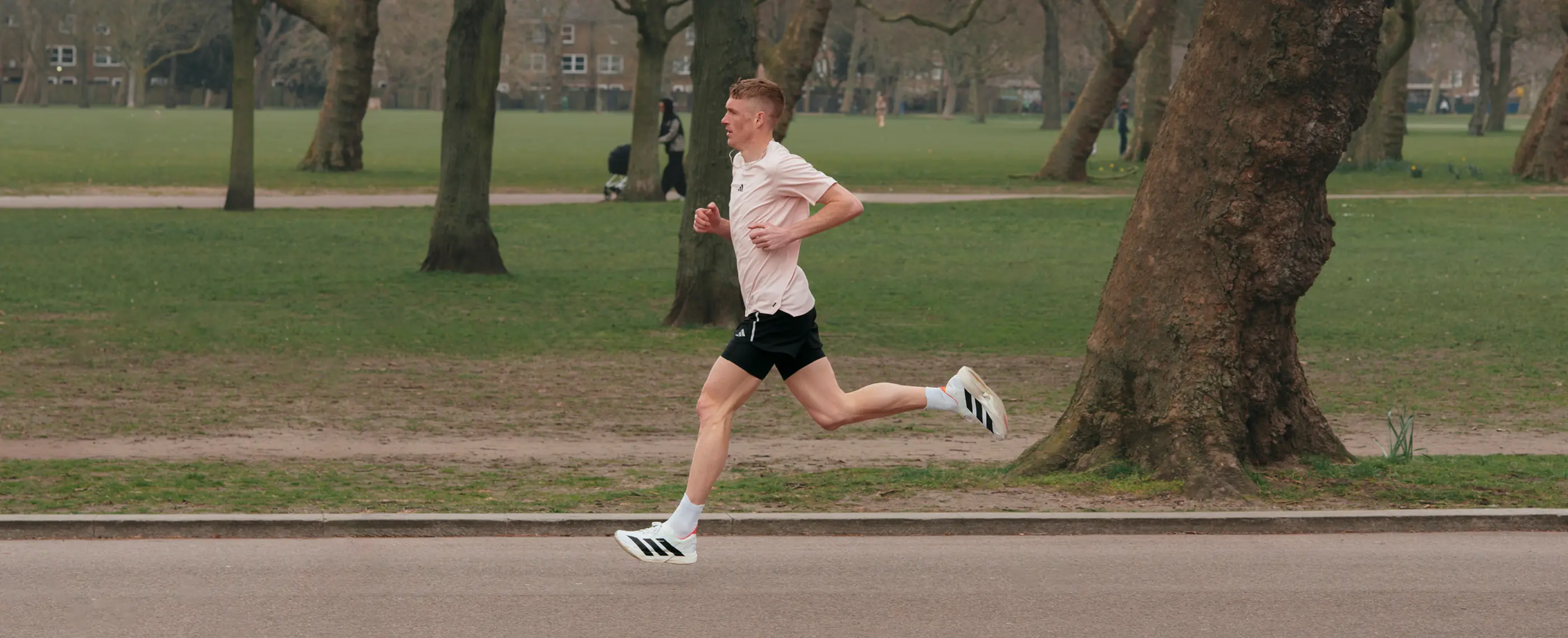
In ultra running, pacing is about effort management. Unlike a marathon, where pace is consistent, ultras demand flexibility: slow on climbs, steady on flats, cautious on descents. The goal is even effort, not even splits.
Here’s a guide to common ultra marathon benchmarks:
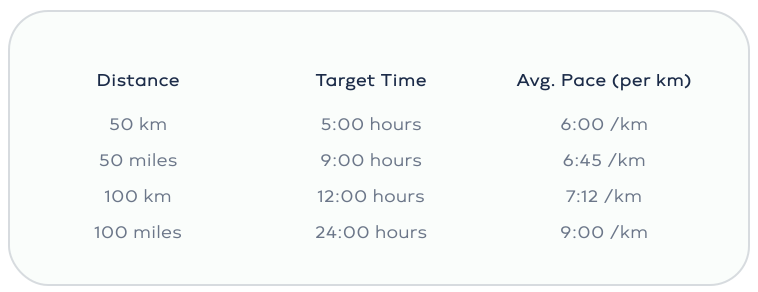 See full Pace Calculator
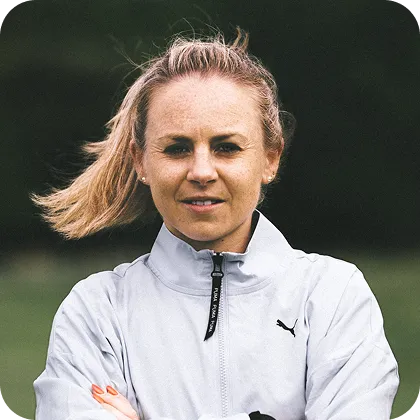
"When training for an ultra, the key is smart planning and patience. Structure your long runs carefully and allow for recovery or “down” weeks between big volume blocks. That’s where real adaptation happens. Also, practice your fuelling and hydration before, during, and after long runs - the more you rehearse it, the smoother race day will be."
Your ultra is the celebration of months of training. Careful preparation ensures you’re ready for the challenge.
The final week
Taper appropriately – reduce mileage while maintaining some intensity. Prioritise rest, nutrition, and kit checks.
The race morning
Eat a substantial, carb-rich breakfast 3-4 hours before the start. Hydrate steadily and pack your fuelling strategy.
Kit and arm-up
Unlike shorter races, ultras often require a mandatory kit (hydration pack, waterproofs, headtorch). Test everything in training to avoid surprises.
Mindset
Break the race into sections – aid station to aid station, or lap to lap. Visualise your strategy and prepare for highs and lows.
Join runners in 90+ countries



1. Download the app: Find URUNN on iOS and Android.
2. Tell us your story: Share your running background, distance goals, and lifestyle.
3. Start your plan: Follow your sessions day by day, adapting as life changes.
4. Share your wins:Celebrate progress with the URUNN community.
5. Reach your goal: Complete your ultra, recover properly, and look ahead to your next challenge.
Training time depends on the distance and your running background. Many runners prepare for a 50K or 50-mile race in around 18–24 weeks, while longer ultras like 100K or 100 miles can require 6–12 months or more. URUNN adapts your plan to your experience, fitness level, and race goal so you build endurance safely.
Yes. URUNN gradually increases your weekly mileage and introduces longer runs and back-to-back training days so the transition from marathon to ultra is manageable and safe.
Your URUNN plan adapts in real time. If you miss runs, get injured, or need to take a break, the app recalibrates your training so you can keep moving forward.
Yes! You can add shorter races or long training events into your plan. URUNN includes them as A- B- or C-Races to help you practise pacing, fuelling, and race-day preparation.
Do I need to practise fuelling during ultra training?Yes – fuelling is a key part of ultra running. During training, you’ll practise eating and drinking regularly on long runs so you know what works best for you on race day.
URUNN guides you through a tailored recovery phase, then helps you choose your next goal — whether that’s another ultra, returning to a shorter distance, or chasing a new endurance challenge.