The half marathon is a true test of endurance and determination. At 21.1 km (13.1 miles), it’s a distance that pushes you further than a 10K but doesn’t demand the same time commitment as a marathon – making it a favourite for runners around the world. For many runners, the 10K is the perfect blend of speed and endurance. It’s long enough to feel like a serious accomplishment, yet still approachable for those stepping up from a 5K.
Whether your goal is to complete your first half marathon or shave minutes off your PB, the right training plan is essential. Whether your goal is to complete your first 10K or set a new personal best, having the right plan makes all the difference.
At URUNN, we don’t just give you a schedule – we coach you every step of the way with expertise, structure, and support, so training feels achievable and rewarding.


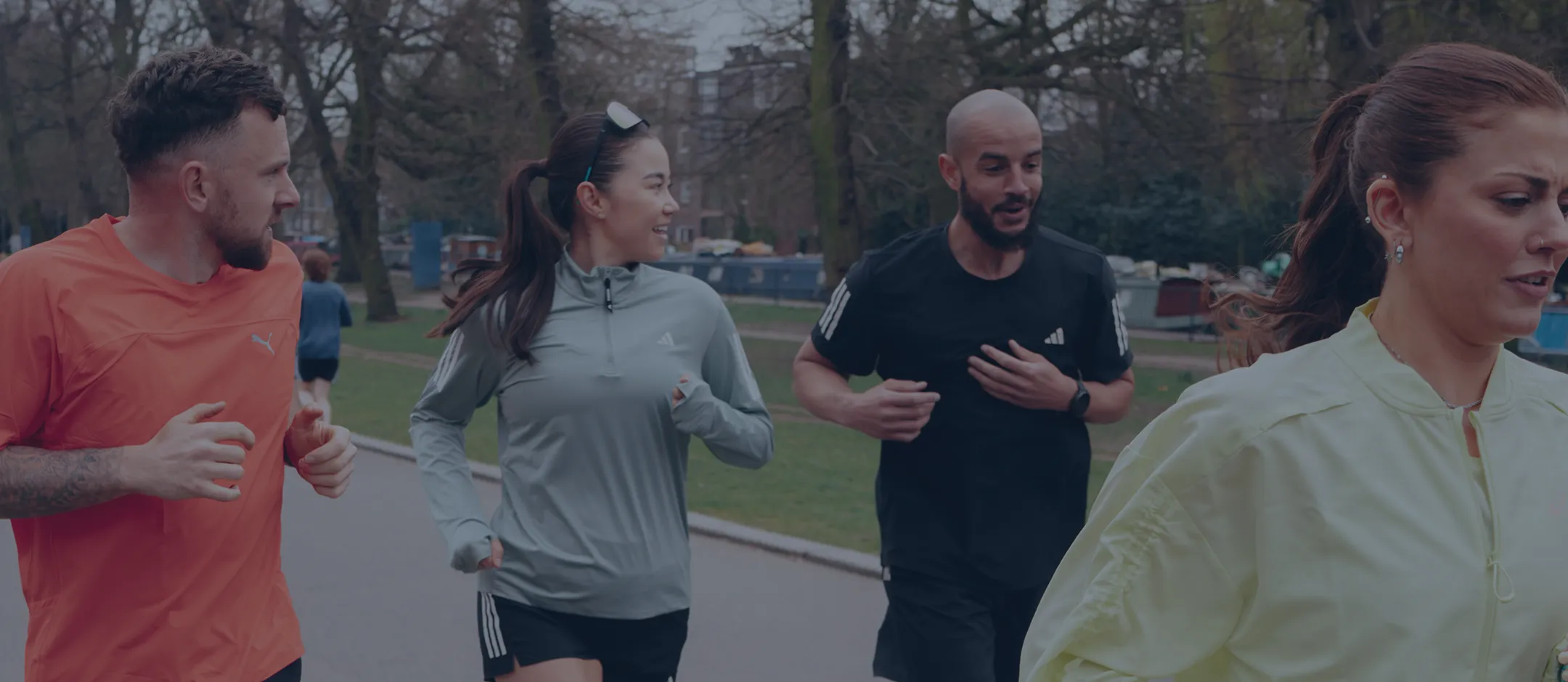
At URUNN, no two half marathon training plans are the same. Every programme is tailored to your running background, current fitness, lifestyle, and race goals.
We want to understand your journey – whether you’re stepping up from a 10K, running your first half, or chasing a sub-2-hour finish.
From there, the URUNN app creates a plan that adapts in real time. Miss a session? It adjusts. Progress faster than expected? It pushes you further. Life gets in the way? It recalibrates so you never feel like you’re falling behind.
This personalised approach means training fits your life, not the other way around – giving you the best chance of crossing the finish line confident, strong, and injury-free.
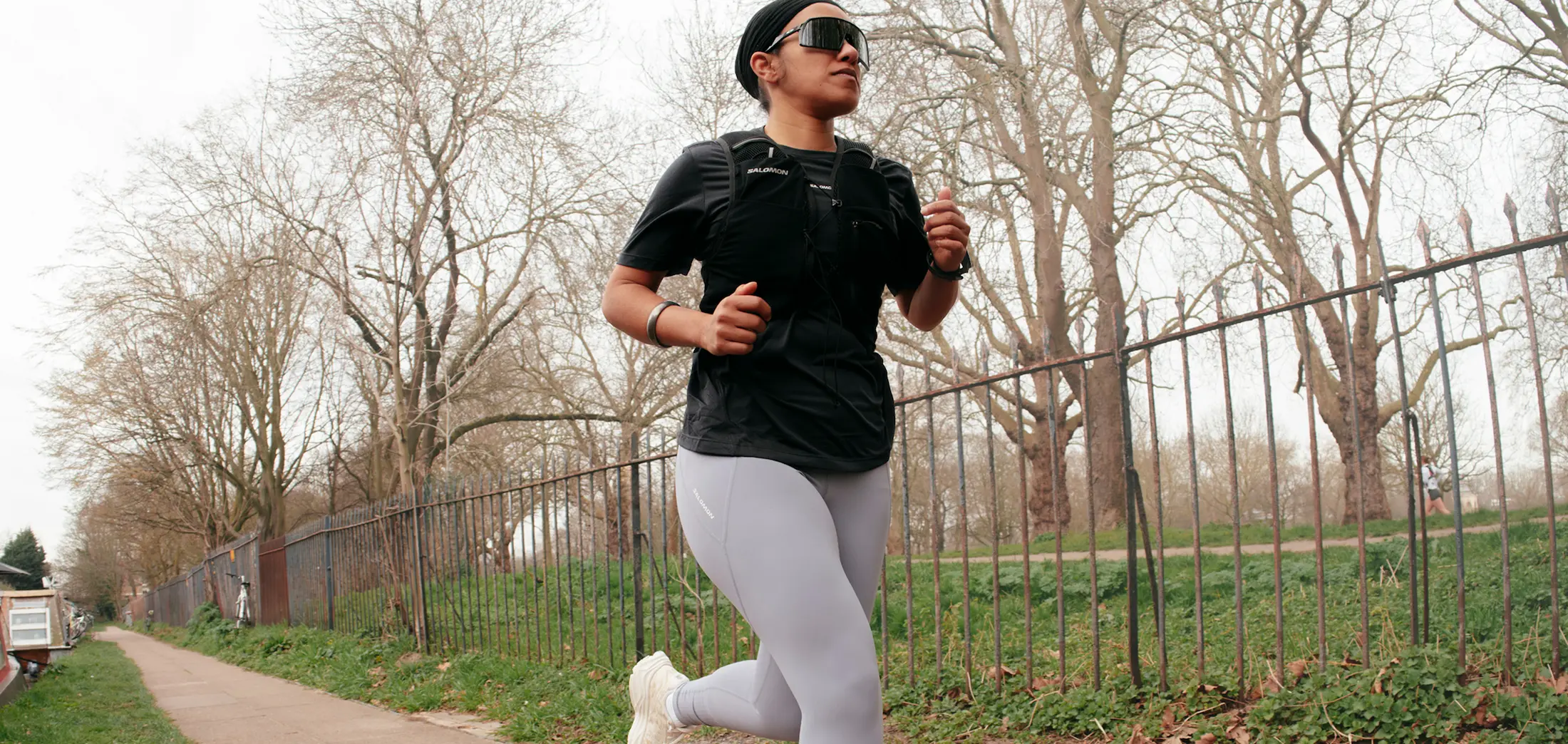
URUNN makes half marathon training personal, flexible, and motivating – so you arrive at the start line prepared and ready.
With URUNN, every step of your half marathon journey feels structured, supported, and achievable.
The half marathon requires stamina, pace control, and mental toughness. Your plan will include a mix of runs designed to build both endurance and speed:
Easier sessions
Hard sessions
Longer efforts

Training for a half marathon isn’t just about running – it’s about supporting your body and mind so you arrive ready to perform.
Strength and mobility sessions are important to keep you efficient and injury-free. Just two short sessions a week will improve your stride, strengthen key muscles, and protect against overuse injuries like IT band syndrome or plantar fasciitis.
Fuelling becomes increasingly important at the half marathon distance. Build your daily foundation by prioritising whole foods, lean protein, and slow-release (complex) carbs to ensure deep, consistent energy reserves as your mileage increases.
The key to race-day success is gut training during your long runs: practise taking a small, easily digestible carb snack 60-90 minutes beforehand, and then take in 30-60 grams of fuel per hour after the first 75 minutes of running.
Be sure to use an electrolyte mix to maintain hydration, and always refuel within 30–60 minutes post-run with a carb-protein mix to rapidly restore glycogen and accelerate recovery.
Adaptation happens during recovery, not while running. URUNN schedules active recovery (mobility, yoga, or walking) and complete rest days to ensure your body is ready to perform week after week
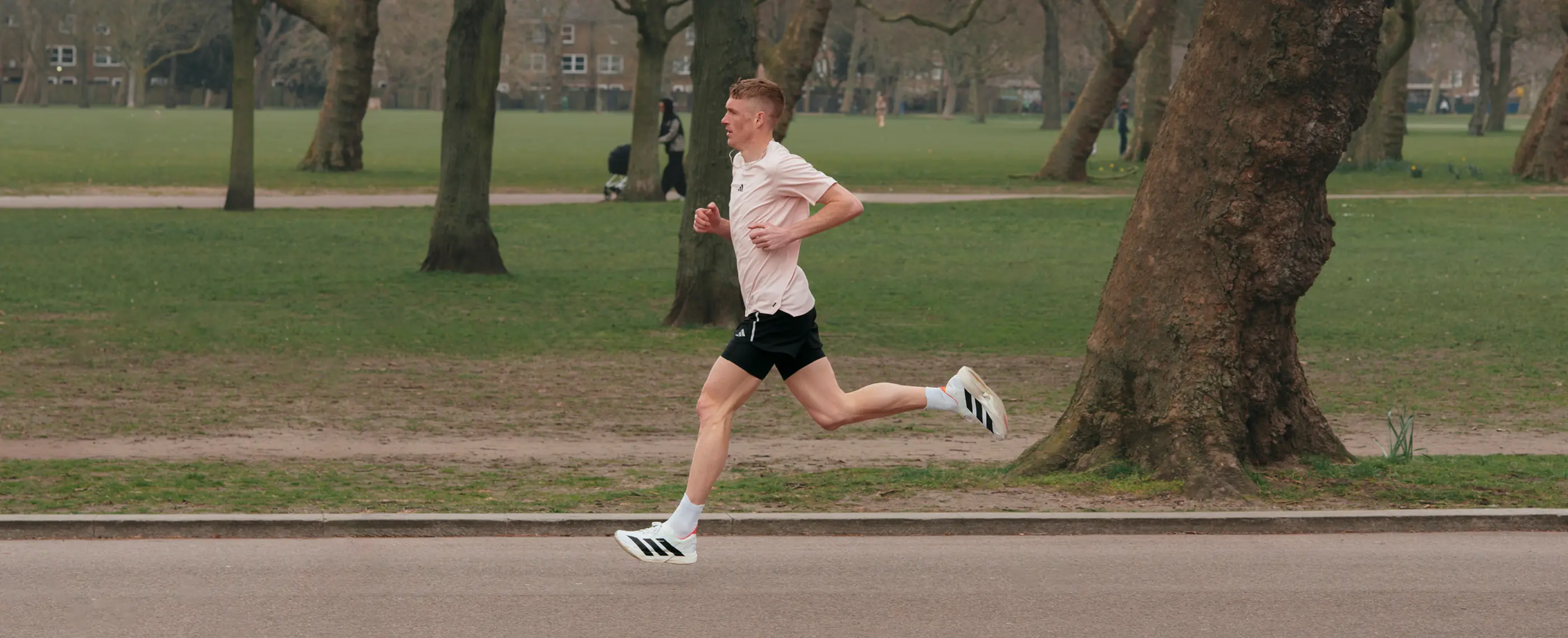
The half marathon is long enough that pacing mistakes are costly – but with the right plan, you’ll finish strong. Aim for even splits close to your target pace, resisting the urge to go out too fast.
Here’s a guide to common half marathon finish times and average pace per kilometre:
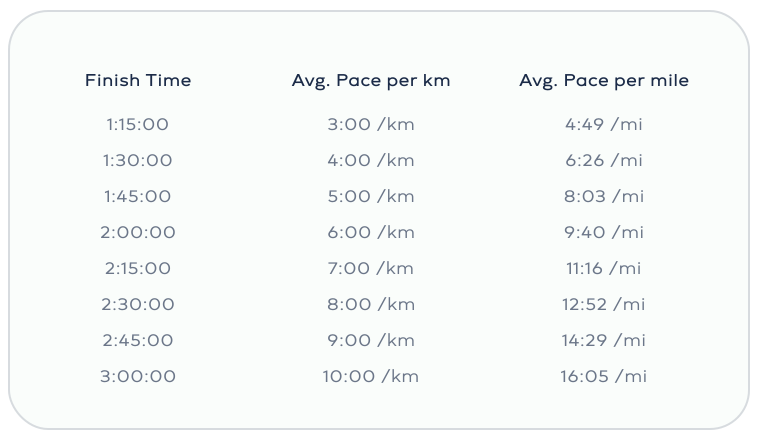 See full Pace Calculator
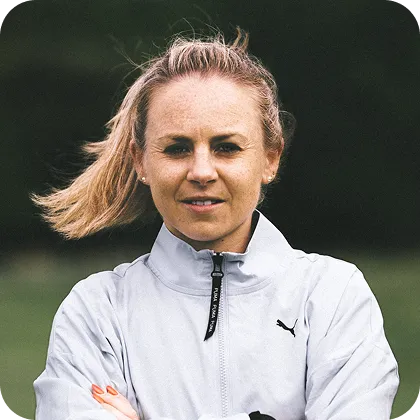
"The Half Marathon is a brilliant distance - a blend of endurance, mental strength, and speed. It’s also normal to find some sessions tough, especially when trying to hold goal pace. Don’t let that knock your confidence. Once you’re tapered, rested, and surrounded by race-day energy, that pace will feel far more comfortable. "
Your race is the celebration of all your training. A smart race-week routine will help you perform at your best.
The final week
Reduce mileage but keep some short runs with strides to stay sharp. Avoid adding anything new to your training.
Race morning
Have a light, carb-rich breakfast 2–3 hours before (oats, toast, banana). Hydrate steadily but don’t overdo it.
Kit and arm-up
Always use gear you’ve trained in. On race morning, jog lightly for 10 minutes, do dynamic stretches, and finish with strides at race pace.
Mindset
Visualise your pacing strategy: steady early, strong middle, powerful finish. Clear mental preparation calms nerves and builds confidence.
Join runners in 90+ countries



1. Download the app: Find URUNN on iOS and Android.
2. Tell us your story: Share your background, schedule, and goals for a bespoke plan.
3. Start your plan: Follow your sessions and adjust anytime if life changes.
4. Share your wins: Celebrate milestones with the URUNN community.
5. Reach your goal: Complete your plan, recover properly, and set your next challenge.
Most runners prepare for a half marathon in 12–16 weeks, depending on their fitness level and running experience. URUNN builds a personalised plan that adapts to your starting point and schedule.
Absolutely. URUNN gradually increases your long runs and weekly mileage so moving from a 10K to a half marathon feels achievable and sustainable.
Your URUNN plan adapts in real time. If you miss runs, get injured, or need to take a break the app recalibrates your training so you can keep moving forward.
Yes! You can add shorter races or training events into your plan. URUNN includes them as B- or C-Races so you can practise pacing and make training more engaging.
Fuelling becomes much more important for longer distances. During half marathon training, you’ll practice using gels, drinks, or other carbohydrate sources on your long runs so you know what works best for you on race day.
URUNN provides real-time audio cues to guide your effort. A common strategy is to start controlled, hold a steady pace through the middle, and finish strong in the final kilometres.
URUNN guides you through a personalised recovery phase, then helps you choose your next goal — whether that’s another half marathon, stepping up to a full marathon, or chasing a new PB.